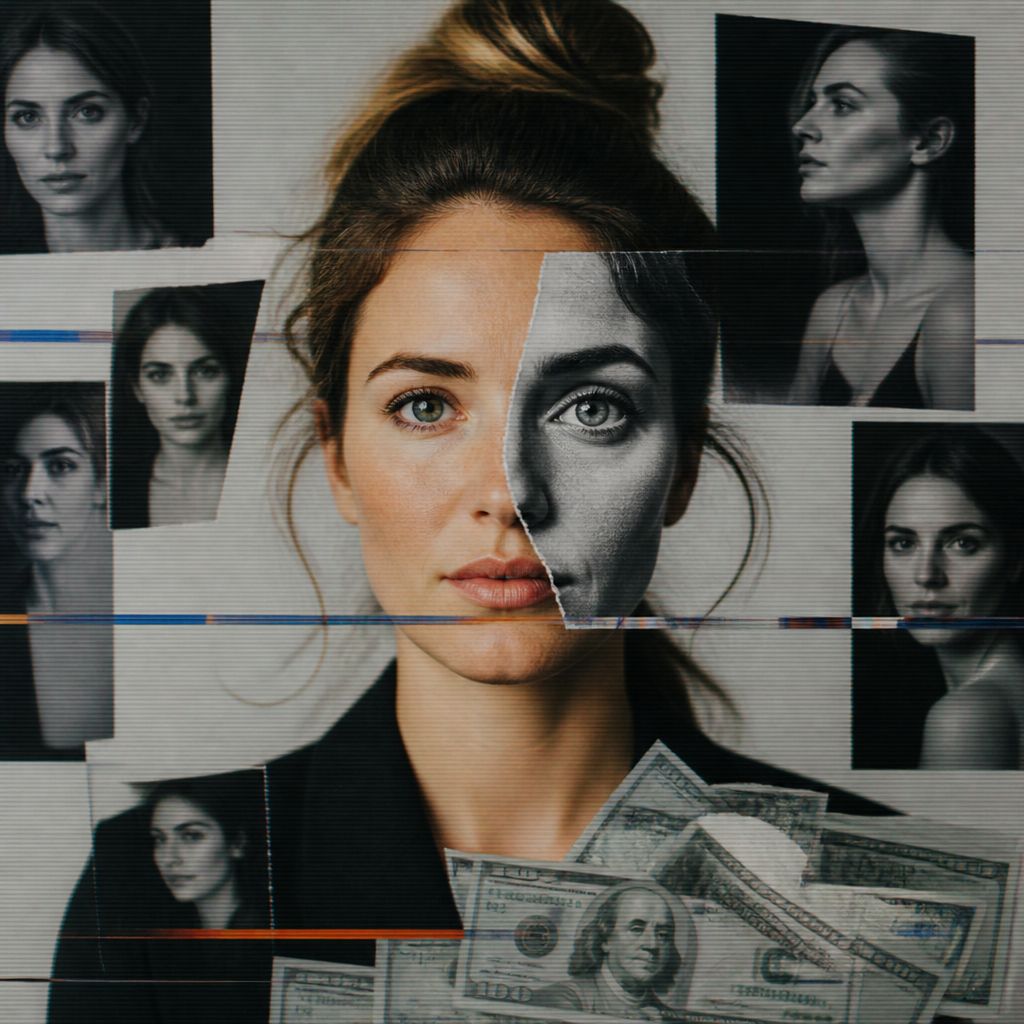
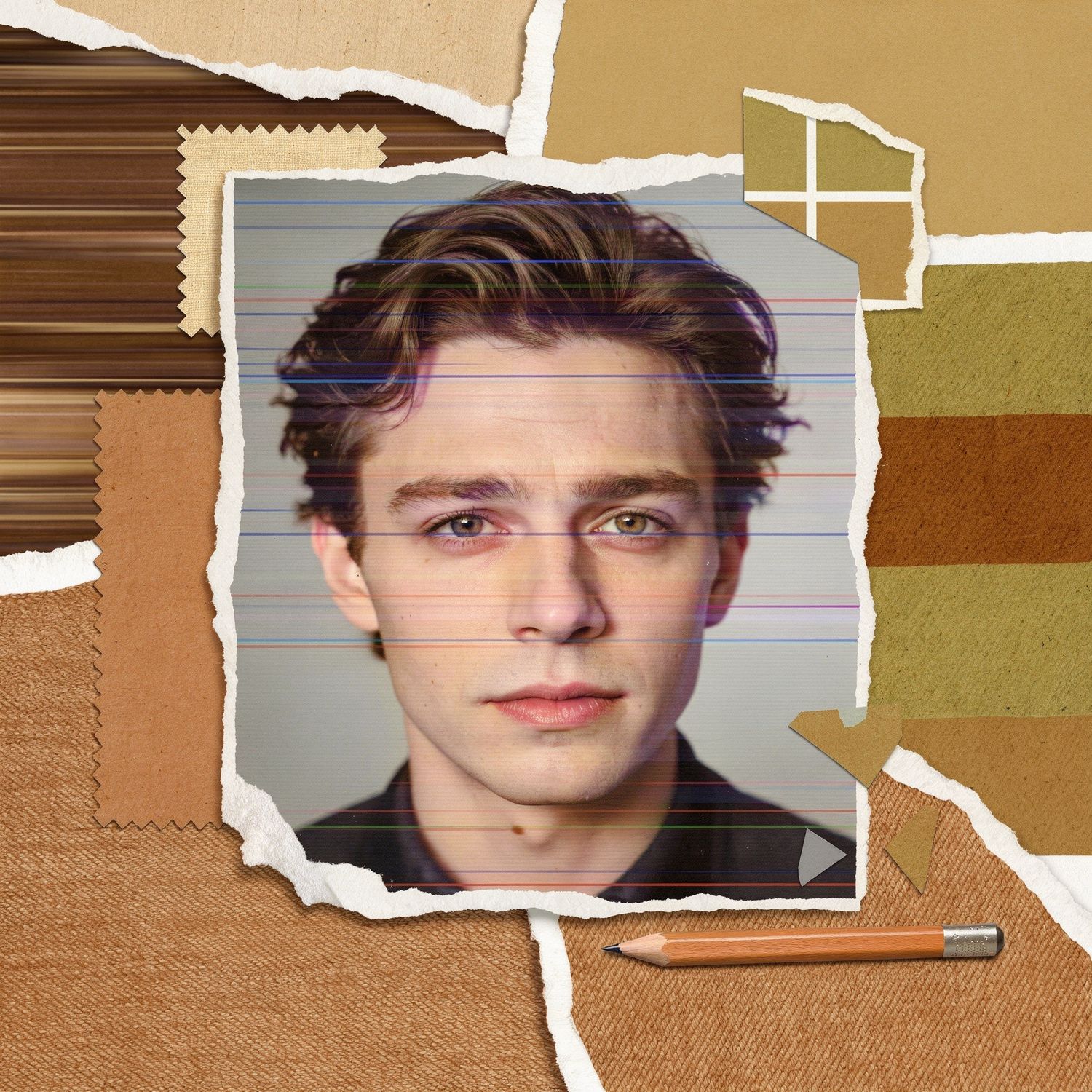

your headshot is your first audition
Before a casting director watches your reel, reads your résumé, or meets you in person, they're looking at your photo.
While expressions, styling, and photographer choice are important, the colours you wear can dramatically affect how professional, approachable, memorable, and castable you appear. The right colour helps your face stand out, enhances your natural features, and communicates the type of roles you're suited for. The wrong colour can distract from your performance potential and make you blend into a crowded casting database.
So what colours work best for actor headshots and performer photoshoots?
Why Colour Choice Matters in Actor Headshots
Casting directors aren't looking at your clothes: they're looking at you. The purpose of wardrobe in a headshot is to frame your face, support your brand, and create visual impact without becoming the focus of the image.
The best colours:
- Draw attention to your eyes and facial features
- Complement your skin tone
- Create separation from the background
- Help communicate your casting type
- Photograph well under studio lighting
Here is a palette of colours that always look amazing in headshots.
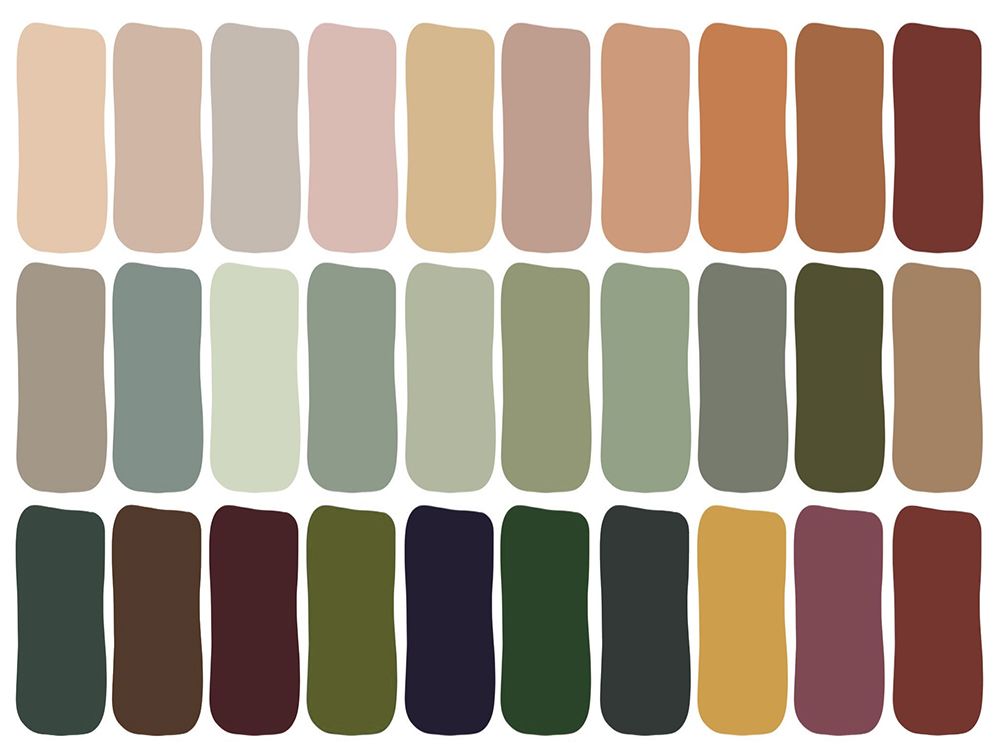
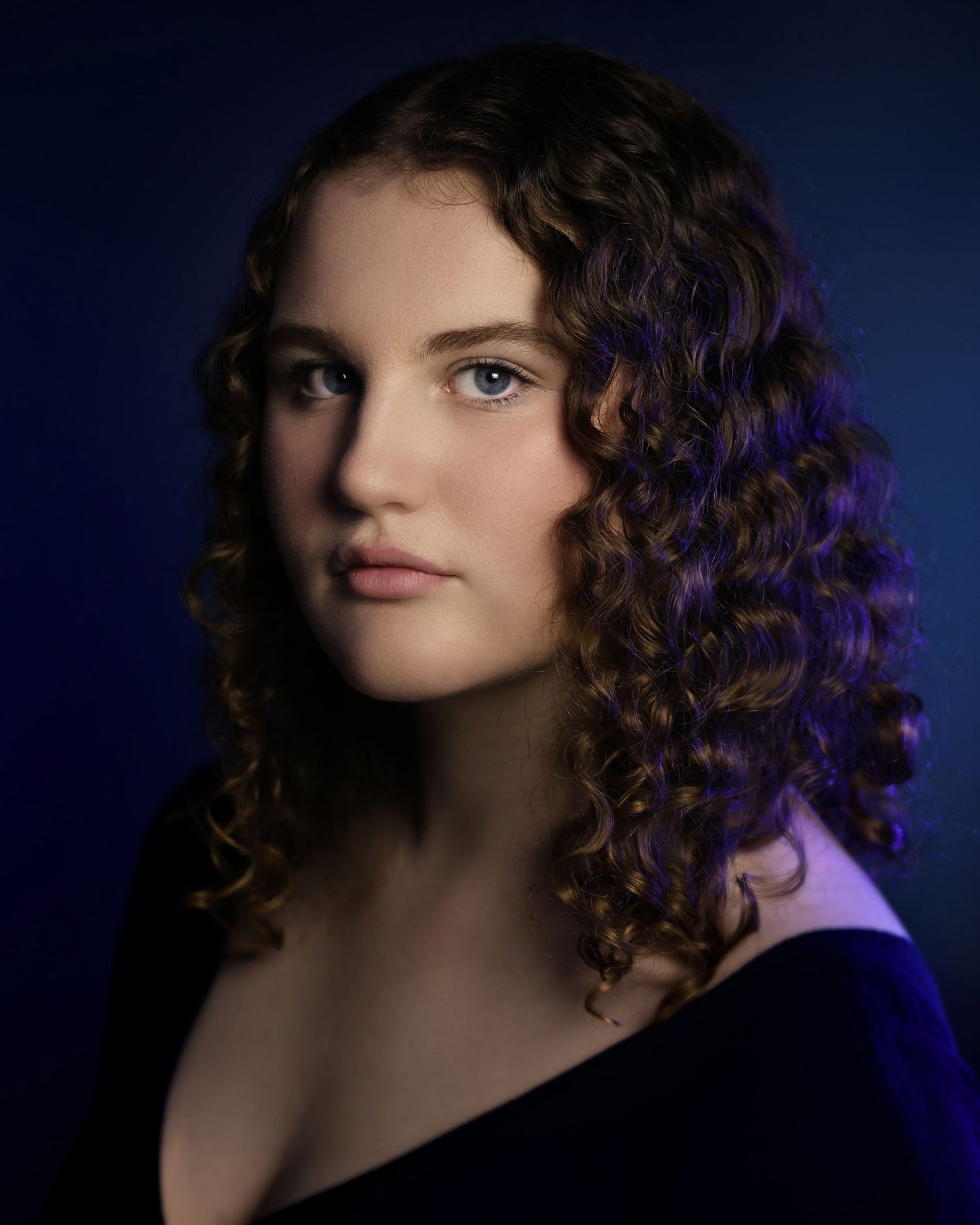
1. Rich Jewel Tones: The Gold Standard for Actor Headshots
Jewel tones consistently perform well in professional headshot photography because they add depth and richness without overwhelming the image.
Popular choices include:
- Deep blue
- Emerald green
- Burgundy
- Teal
- Plum
- Sapphire
These colours tend to flatter most skin tones and create strong contrast against common studio backgrounds.

2. Earth Tones for Warmth and Authenticity
Earth tones can create a grounded, relatable appearance that works particularly well for commercial actors and performers seeking approachable roles.Consider:
- Olive green
- Rust
- Terracotta
- Camel
- Warm brown
- Mustard
These colours communicate warmth and authenticity while remaining visually appealing on camera.

3. Solid Blues: A Universal Favourite
If you're unsure what to wear, blue is often the safest choice.
From navy to cobalt, blue is one of the most flattering and universally accepted colours in professional photography.
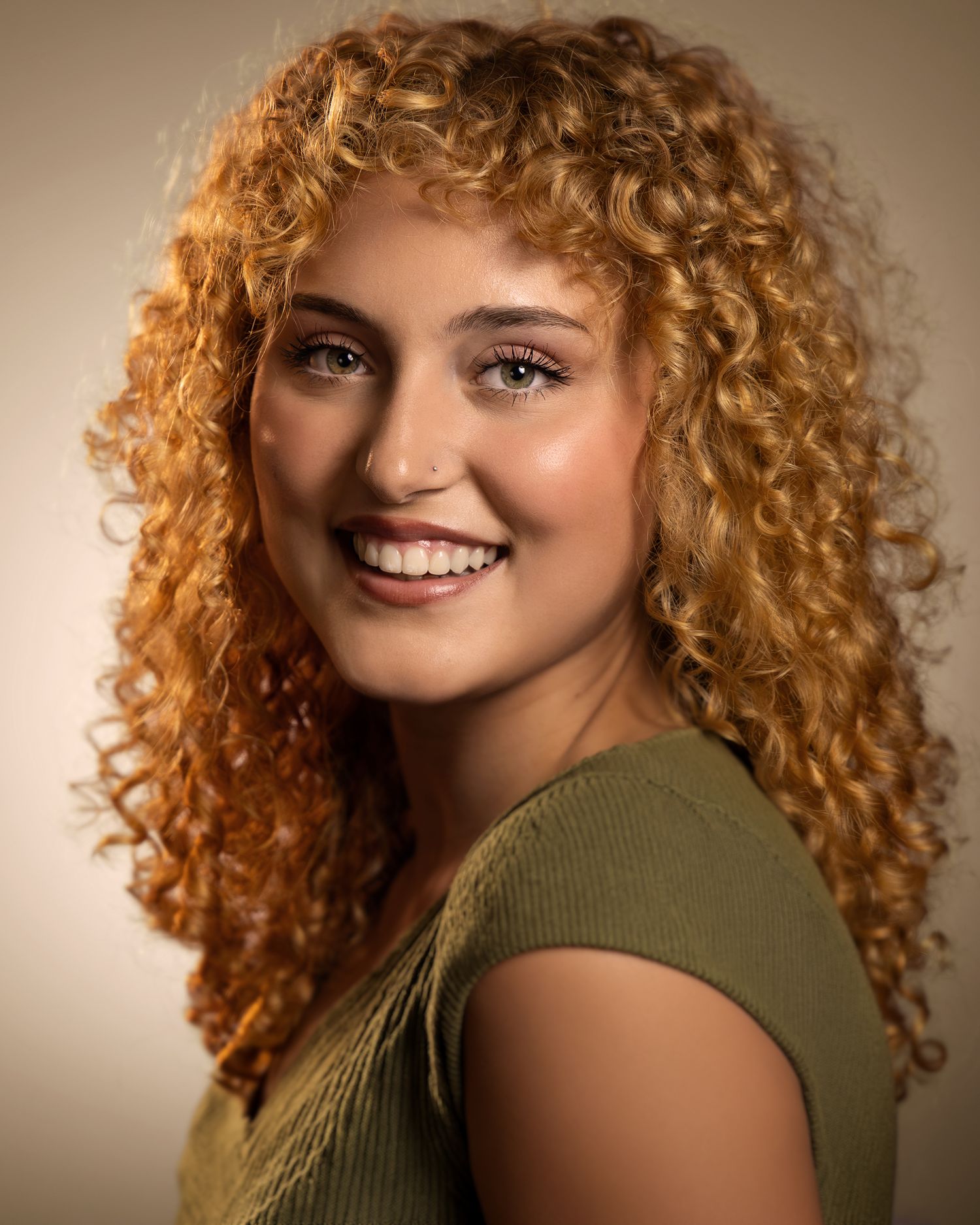
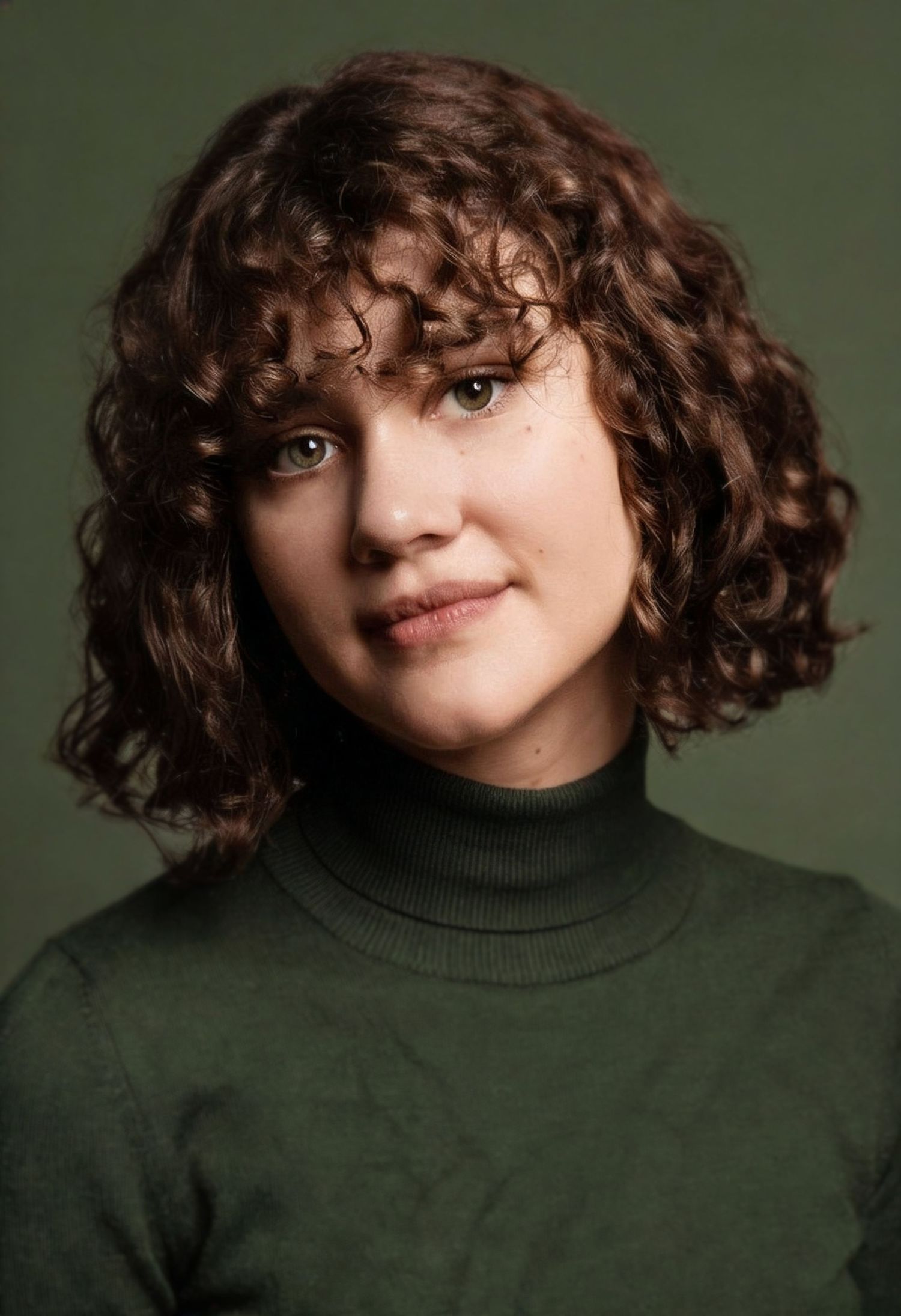
4. Deep Greens for Character and Presence
Green can create a striking image when chosen carefully.
Darker greens such as forest green, emerald, and olive tend to work best because they add sophistication and visual depth.
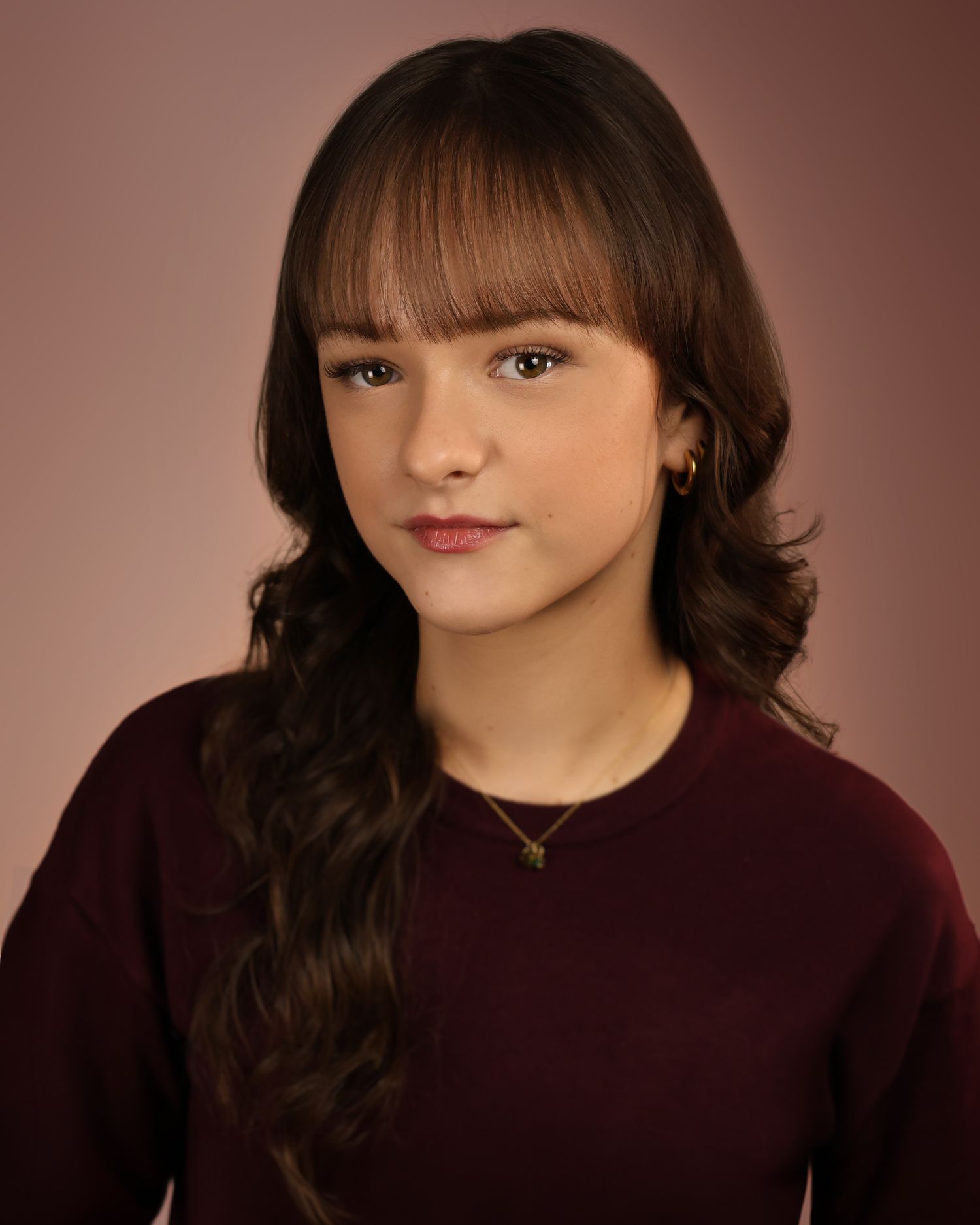
5. Burgundy and Wine Tones for Confidence
Burgundy is a favourite among many professional headshot photographers because it offers the visual strength of red without becoming distracting.
It projects:
- Confidence
- Sophistication
- Maturity
- Presence
This makes it particularly effective for dramatic actors and performers pursuing more serious roles.
Colours Actors Should Generally Avoid
bright neon colours
Neon pinks, greens, oranges, and yellows often dominate an image and draw attention away from your face.
Pure White
While white can work in some situations, it frequently reflects light strongly and may wash out facial features, particularly under studio lighting.
Large Patterns and Busy Prints
Patterns compete for attention and can make images look dated quickly. Casting directors want to focus on your expression—not your shirt.
Logos and Branding
Visible logos can distract from your professional image and create unnecessary visual clutter.
Pure White
While white can work in some situations, it frequently reflects light strongly and may wash out facial features, particularly under studio lighting.
Extremely Bright Red
Bright red can sometimes overpower skin tones and become the dominant element in a photograph.

Choosing Colours Based on Your Casting Type
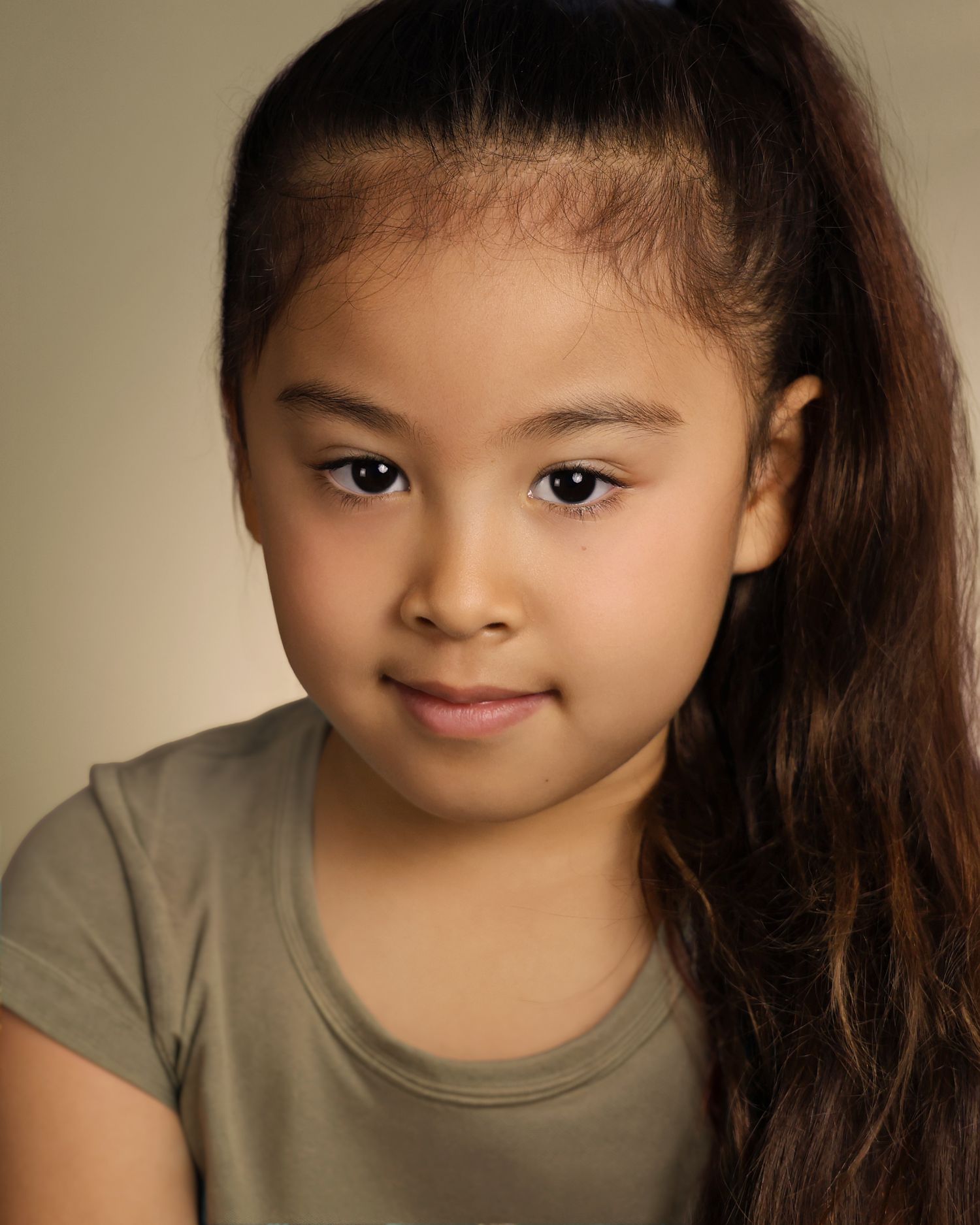
Commercial Actors
Choose colours that feel approachable and relatable:
- Soft blue
- Olive green
- Teal
- Warm earth tones
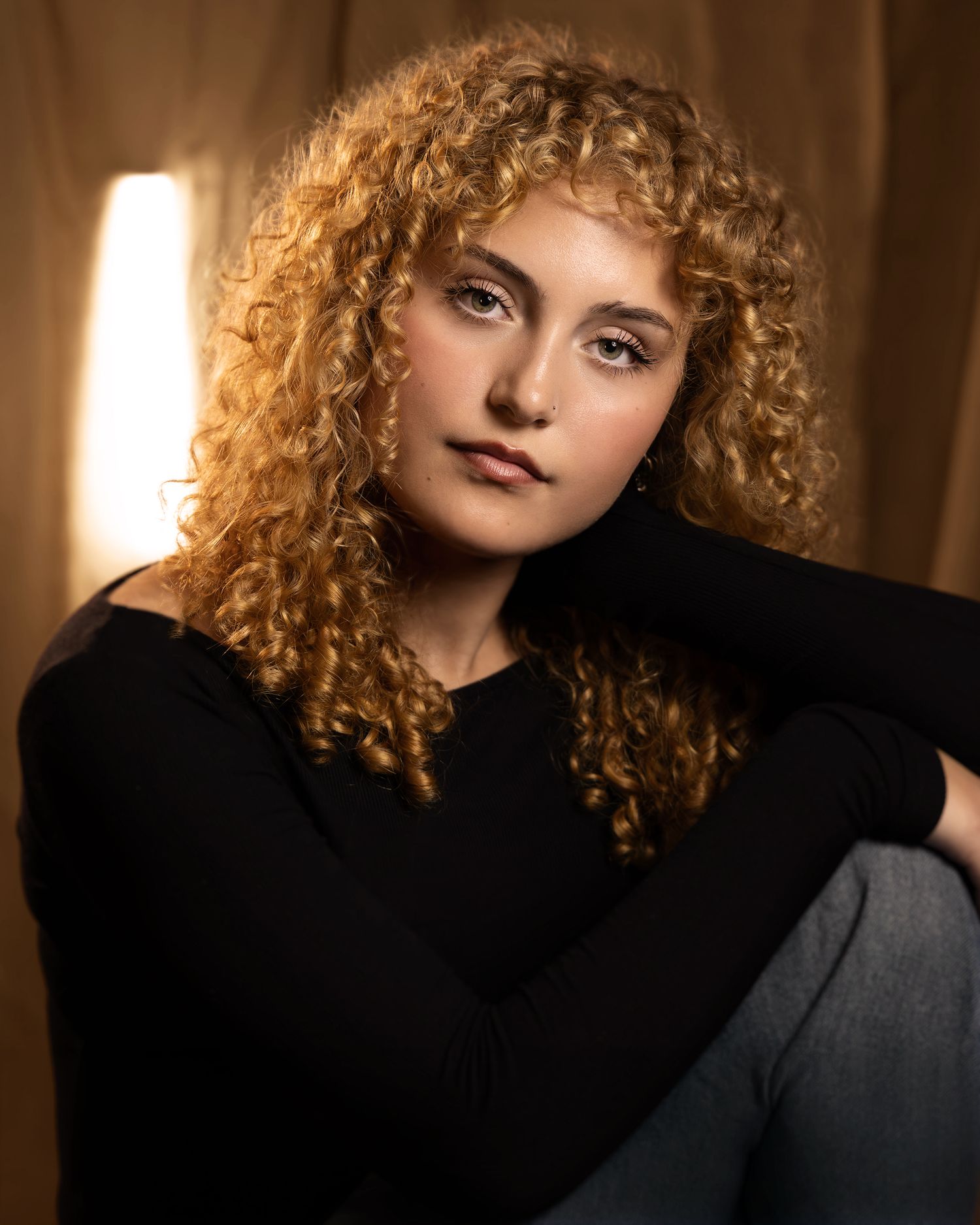
Dramatic Actors
Choose colours that feel approachable and relatable:
Opt for stronger, richer colours:
- Burgundy
- Navy
- Forest green
- Charcoal
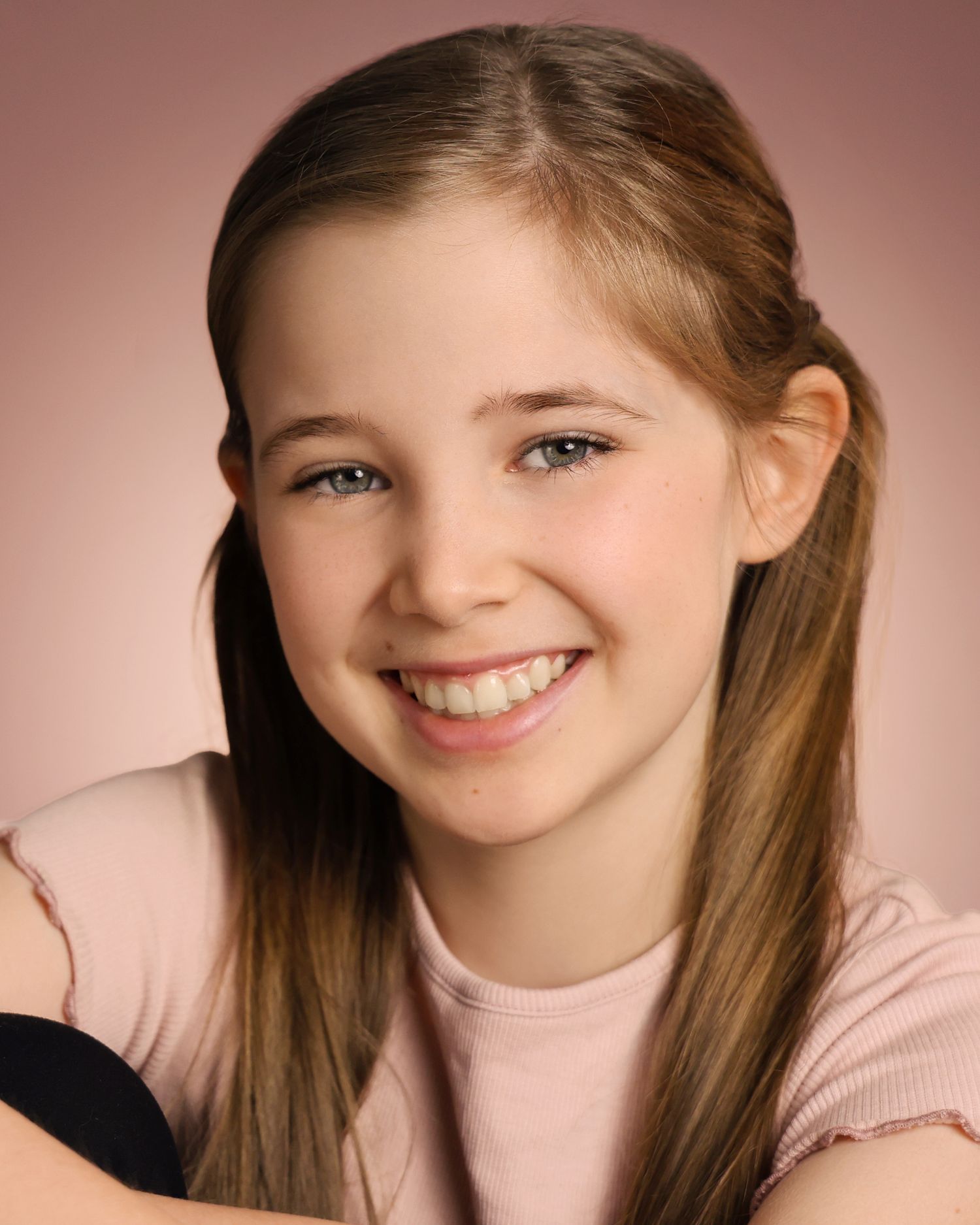
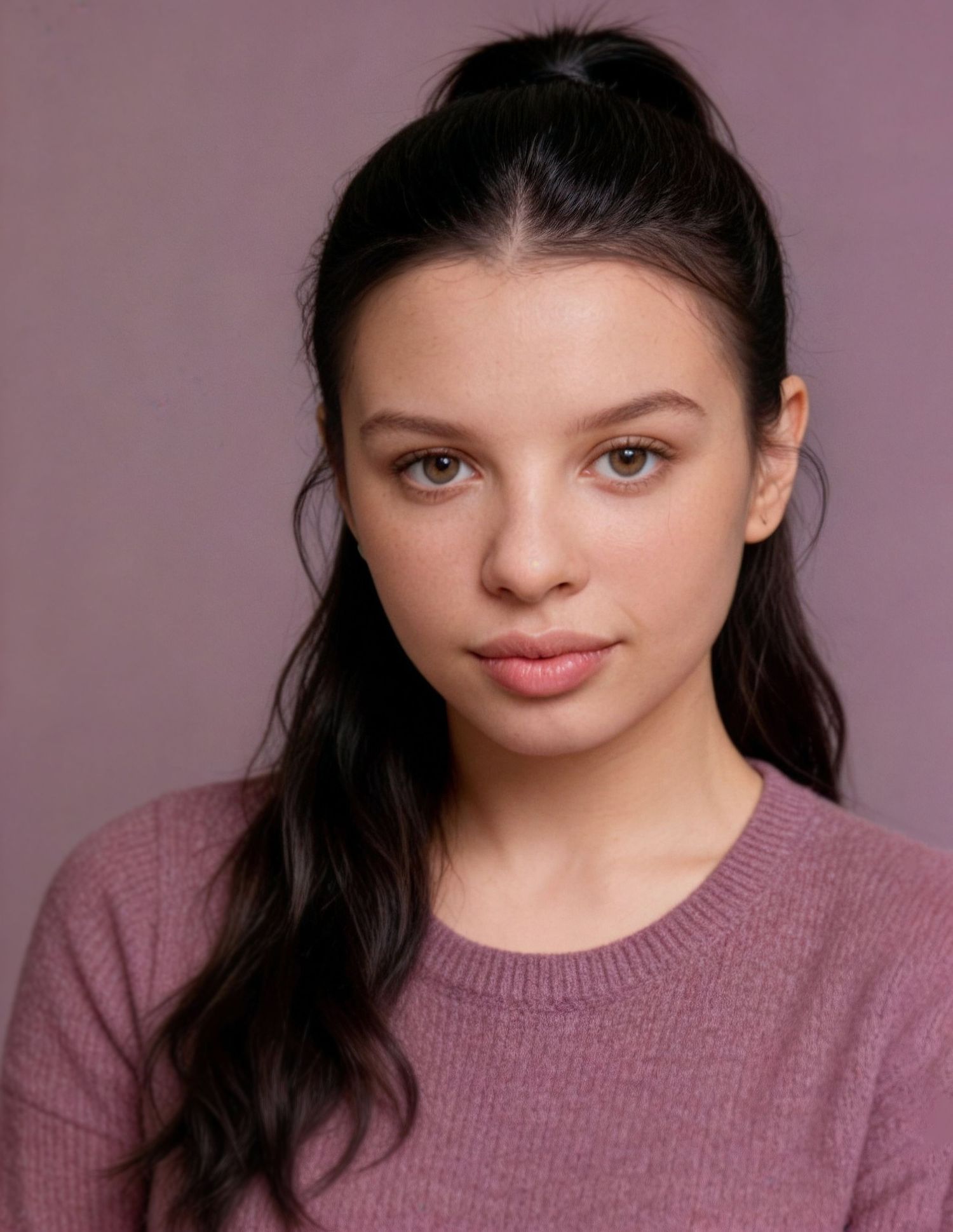
Young Adult Performers
Fresh, vibrant colours often work well:
- Cobalt blue
- Emerald
- Deep teal
- Soft berry tones
Consider Your Skin Tone
Cool Undertones
Typically suit:
- Navy
- Sapphire
- Plum
- Cool greens
- Cool Undertones
Warm Undertones
Often suit:
- Olive
- Rust
- Mustard
- Burgundy
- Warm browns

The Most Important Rule: Wear the Colour, Don't Let It Wear You
Your headshot should always be about your face, expression, and personality.
The best wardrobe choice is one that supports your personal brand while keeping attention where it belongs—on you.
Strong, solid colours typically outperform busy patterns because they create a clean, timeless image that helps casting directors quickly connect with your look and potential.
Final Thoughts
A professional actor headshot is an investment in your career, and wardrobe choices play a significant role in the final result. Rich jewel tones, blues, greens, burgundy, and carefully chosen earth tones consistently photograph well and help performers create memorable, marketable images.
When in doubt, choose solid colours, avoid distractions, and focus on selecting shades that enhance your natural features. The goal isn't to showcase your clothing—it's to make casting directors remember your face.
The right colour can help you look confident, approachable, and camera-ready before you've even stepped into the audition room.